
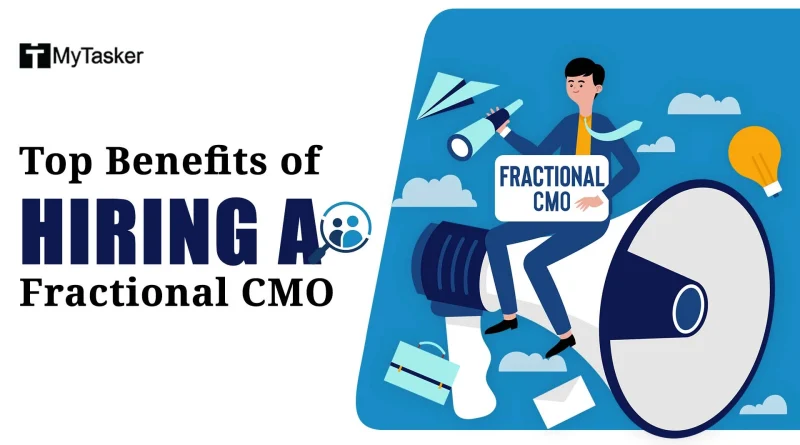
The Rise of the Fractional Executive: How SMEs Are Getting C-Suite Power Without the Full-Time Price Tag
Let’s be honest. For a small or medium-sized business, the idea of hiring a seasoned Chief Marketing Officer or a battle-tested CFO can feel like a fantasy. The salary, the equity, the benefits package—it’s a mountain of cost that can make even the most ambitious founder wince.
But here’s the deal: you still need that strategic brainpower. You’re facing scaling challenges, operational hiccups, and market shifts that demand expert navigation. So, what’s the solution? More and more savvy leaders are turning to a new model: the fractional executive.
Think of it not as hiring a part-timer, but as gaining a strategic partner on a flexible, as-needed basis. It’s like having access to a top-shelf toolkit, but only paying for the specific wrench you need right now. This isn’t just consulting. It’s embedded leadership, without the permanent overhead.
What Exactly Is a Fractional Executive, Anyway?
In simple terms, a fractional executive is a high-level professional who works for your company on a part-time, interim, or project basis. They fill a C-suite role—like CFO, CMO, COO, or CHRO—bringing decades of experience to the table for a fraction of the time and cost of a full-time hire.
The key distinction? Depth and integration. A consultant might give you a report and walk away. A fractional executive rolls up their sleeves, joins your team meetings, makes decisions, and owns outcomes. They’re in the trenches with you, just on a schedule that makes sense for your budget and their expertise.
The Perfect Storm: Why This Model Is Exploding Now
This rise isn’t random. It’s a response to a perfect storm of market conditions. First, the post-pandemic world normalized remote, flexible work. Geography no longer limits talent. Second, economic uncertainty has made businesses hyper-focused on lean operations and ROI. And third, the pace of change in areas like digital marketing and finance demands niche expertise that’s hard to find—and harder to afford—full-time.
For the executives themselves, it’s a win too. Many are seasoned pros who’ve “done the corporate dance” and now crave variety, autonomy, and the tangible impact they can have on multiple growing companies. It’s a classic case of supply meeting a very urgent demand.
The Tangible Benefits: More Than Just Cost Savings
Sure, the cost advantage is obvious. But the real value of hiring a fractional leader goes much deeper. Let’s break it down.
Immediate Impact, Zero Ramp-Up
A fractional CFO isn’t learning on your dime. They’ve likely built financial models for a dozen companies in your sector. They know the pitfalls, the key metrics, and the levers to pull—day one. This speed to execution is, frankly, priceless when you’re trying to seize a market opportunity or navigate a cash flow crunch.
Objectivity Without the Baggage
They’re not entangled in company politics or “the way we’ve always done it.” A fractional CMO can look at your brand and market with clear, unbiased eyes. They ask the tough questions and bring proven frameworks from outside your bubble. It’s strategic clarity, served straight.
Flexibility as a Superpower
Your needs change. A fractional arrangement can change with them. Need 20 hours a week during a fundraising push? Done. Scale back to 10 hours for ongoing oversight? Easy. It’s leadership that scales up and down with your business rhythm, not a rigid, fixed cost.
Where Fractional Leadership Fits Best: Common Use Cases
Wondering if this is right for your SME? Honestly, it pops up in a few classic scenarios. See if any of these sound familiar.
- The Scaling Sprint: You’ve got product-market fit and revenue is climbing, but your internal ops are a duct-taped mess. A fractional COO can build the processes and team structure to support—and sustain—that growth.
- The Funding Journey: You’re preparing for a Series A round or a bank loan. A fractional CFO becomes your secret weapon, crafting bulletproof financial models, data rooms, and investor narratives.
- The Growth Plateau: Marketing efforts have gone stale. A fractional CMO can audit your strategy, inject new life into your campaigns, and rebuild a pipeline without blowing your budget on a full-time salary.
- The Founder’s Gap: You’re a visionary tech founder, but finances are a mystery. Or you’re a operations whiz who finds marketing baffling. A fractional exec fills that critical gap in your leadership circle.
Making It Work: How to Hire and Integrate a Fractional Leader
This model is powerful, but it’s not magic. It requires a thoughtful approach to succeed.
First, define the “job to be done.” Be crystal clear. Are you hiring a fractional CHRO to build a culture and hire your first 50 employees, or to revamp a broken performance review system? Specificity is your friend.
Look for a portfolio player, not a retiree. The best fractional executives are actively in the game. They should have multiple client stories, current industry knowledge, and a network they can leverage for you.
Integration is non-negotiable. You must treat them as part of the leadership team. Include them in key meetings, grant them appropriate authority, and give them access to systems and people. If you silo them as a “vendor,” you’ll get consultant-level results.
Here’s a quick comparison to help visualize the fit:
| Scenario | Traditional Full-Time Hire | Fractional Executive |
| Need for deep, niche expertise | Risky & expensive if need is temporary | Ideal fit – pay for the expertise only while you need it |
| Budget for a top-tier salary + benefits | Required | Not required – typically 30-60% of a full-time cost |
| Time to find the perfect candidate | 3-6+ month search | Weeks – market is rich with available talent |
| Leadership gap during search/ramp-up | Extended period of uncertainty | Immediate coverage while you plan long-term |
A Few Cautions: It’s Not a Silver Bullet
Of course, no model is perfect. A fractional executive isn’t sitting in your office every day. There’s a deliberate onboarding cost to get them up to speed on your unique culture. And if your need is truly a permanent, 40+-hour-a-week role, well, then you should probably hire for it. This is about strategic, flexible resourcing.
The biggest pitfall? Misalignment on expectations. That’s why a clear scope of work, defined communication rhythms, and agreed-upon key results are the bedrock of the relationship.
The Future of Leadership is Flexible
The rise of the fractional executive signals a broader shift in how we think about work and expertise. It democratizes access to elite talent. It prioritizes outcomes over hours logged at a desk. For small to medium enterprises, this isn’t just a trend; it’s a strategic lever.
It allows you to be nimble, expert-led, and fiscally smart all at once. You’re not just getting a piece of a person; you’re getting the full weight of their experience, focused laser-like on your most pressing challenges. In a business landscape that rewards agility, that’s not just an advantage—it’s becoming essential.